
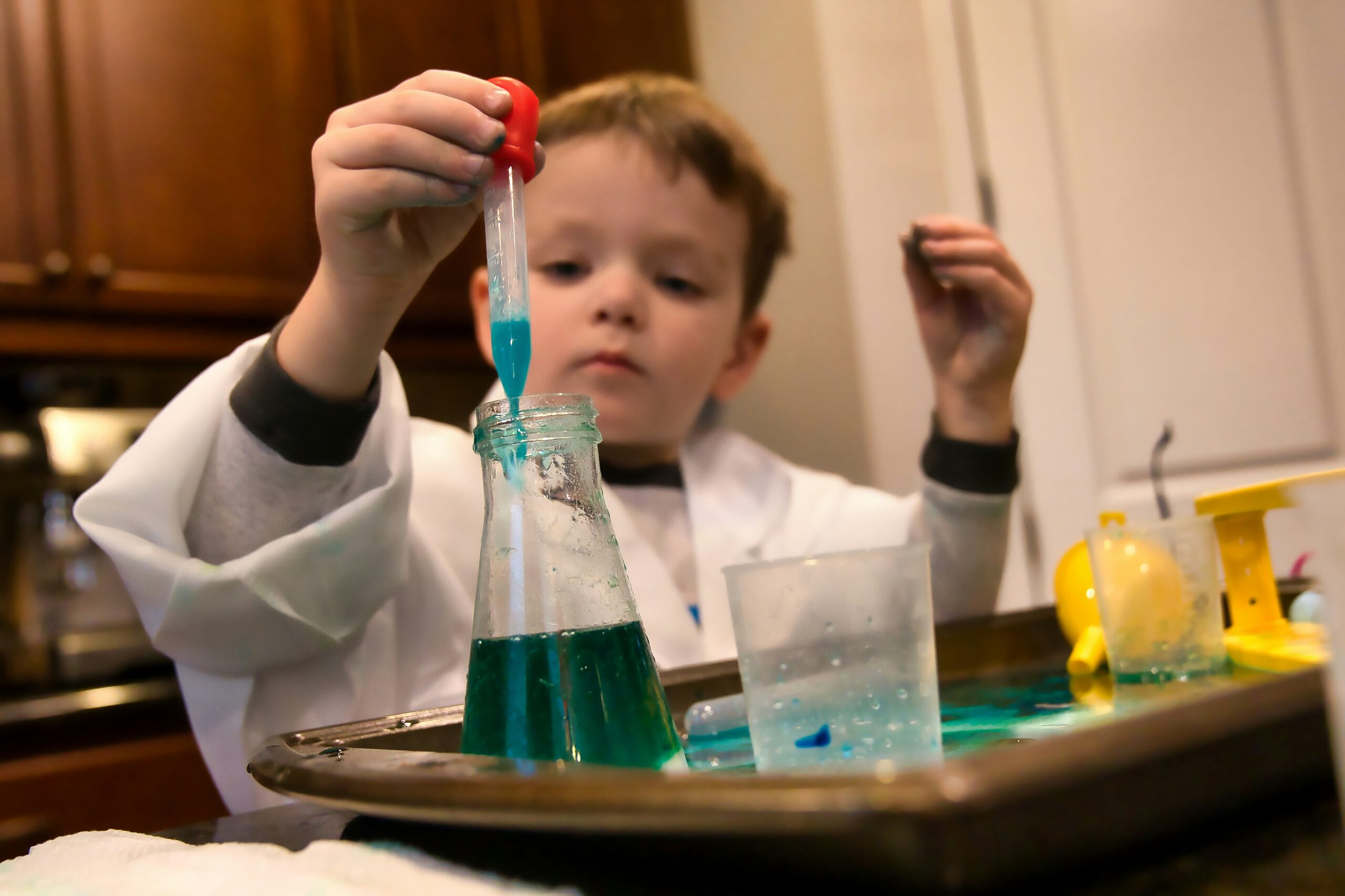
Looking for easy science activities for kids at home? You don’t need a lab or expensive equipment to introduce science to your child.
At-home science experiments are a fun way to spark curiosity, encourage learning, and keep kids engaged — all while using simple everyday items.
In this post, we’ll explore the benefits of science activities for kids and share easy experiments you can try at home.
1. Science Activities Encourage Curiosity
Children naturally ask questions about the world around them.
At-home science activities help answer questions like:
- “Why does this happen?”
- “What will happen if we try this?”
This encourages:
- curiosity
- exploration
- a love of learning
2. Science Helps Children Understand the World
Simple experiments help children make sense of everyday things.
They can learn about:
- how things float or sink
- how plants grow
- how materials change
This builds a strong foundation in early science learning.
3. Science Builds Problem-Solving Skills
When kids experiment, they learn to:
- test ideas
- observe results
- try again
This develops:
- critical thinking
- problem-solving skills
- logical reasoning
4. Science Activities Boost Confidence
Completing an experiment — even a simple one — gives children a sense of achievement.
Whether it works perfectly or not, they learn that:
- trying is important
- mistakes are part of learning
This builds:
- confidence
- resilience
5. Science is a Great Screen-Free Activity
If you’re looking to reduce screen time, science activities are a great alternative.
They:
- keep kids engaged
- encourage hands-on learning
- make learning fun
Even quick experiments can hold a child’s attention.
Easy At-Home Science Experiments
Here are some simple science experiments for kids using everyday items:
1. Baking Soda and Vinegar Reaction
Mix baking soda and vinegar to create a fizzy reaction.
👉 Teaches: chemical reactions
2. Floating and Sinking Test
Fill a bowl with water and test different objects.
👉 Teaches: density and materials
3. Growing Seeds
Plant seeds in a small pot and watch them grow.
👉 Teaches: plant life cycles
4. Rainbow Milk Experiment
Add food colouring to milk and watch colours move with washing-up liquid.
👉 Teaches: surface tension
5. Ice Melting Experiment
Compare how fast ice melts in different conditions.
👉 Teaches: temperature and states of matter
Tips for Doing Science at Home
- Keep activities simple and age-appropriate
- Always supervise young children
- Ask questions to encourage thinking
- Let your child explore and experiment freely
Final Thoughts
At-home science activities for kids are a fun and easy way to combine learning and play. They help children explore the world, build important skills, and stay engaged without screens.
The best part? You can start with items you already have at home.
If you’re looking for fun educational activities for kids, simple science experiments are a great place to begin.