
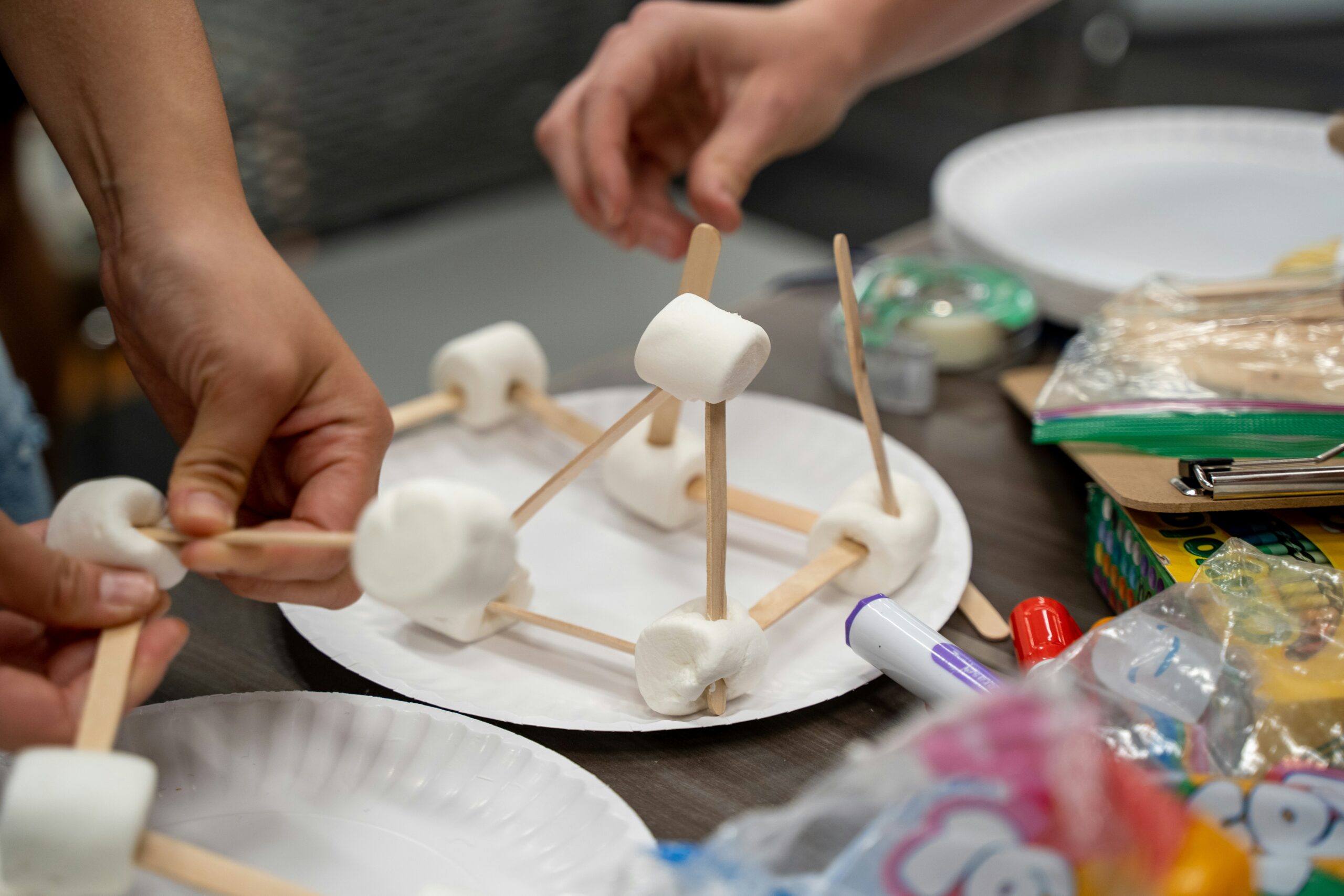
Looking for ways to support your child’s learning at home? STEM activities for children are a powerful way to build essential skills through fun and play.
STEM stands for Science, Technology, Engineering, and Maths, and introducing these concepts early can help children develop problem-solving abilities, creativity, and confidence.
In this post, we’ll explore the benefits of STEM learning for kids and share simple ways to get started at home.
1. STEM Builds Problem-Solving Skills
One of the biggest benefits of STEM activities is helping children learn how to solve problems.
When kids:
- build structures
- experiment with materials
- figure out how things work
👉 they learn to think critically and find solutions.
These skills are essential for school and everyday life.
2. STEM Encourages Curiosity and Exploration
Children are naturally curious, and STEM activities help nurture that curiosity.
Simple questions like:
- “What will happen if…?”
- “Why does this work?”
encourage children to explore and discover.
This builds a love of learning from an early age.
3. STEM Supports Early Maths and Science Skills
STEM activities introduce foundational concepts in a fun and engaging way.
Children can learn:
- counting and measuring
- patterns and shapes
- cause and effect
- basic science concepts
For example, pouring water between containers teaches volume and measurement.
4. STEM Boosts Creativity
STEM is not just about numbers — it also involves creativity.
When children:
- design structures
- build models
- solve challenges
they are using their imagination alongside logic.
This combination helps develop well-rounded thinking skills.
5. STEM Builds Confidence and Independence
Completing a STEM challenge gives children a sense of achievement.
Whether they:
- successfully build something
- fix a problem
- try again after failing
they develop:
- confidence
- resilience
- independence
Learning through trial and error is a key part of STEM.
6. STEM Prepares Children for the Future
STEM skills are increasingly important in today’s world.
Introducing STEM early helps children:
- feel comfortable with technology
- develop analytical thinking
- prepare for future careers
Even simple activities can lay the foundation for future learning.
7. STEM Provides Screen-Free Learning Opportunities
STEM activities are a great way to keep children engaged without screens.
Hands-on learning helps children:
- stay focused
- interact with real materials
- develop practical skills
This makes STEM a perfect alternative to screen time.
Easy STEM Activities to Try at Home
You don’t need expensive equipment to get started with STEM at home.
Here are some simple ideas:
- Building towers with blocks or cups
- Water play and pouring experiments
- Simple baking (measuring ingredients)
- Magnet play
- Sorting and counting objects
These activities are fun, educational, and easy to set up.
Final Thoughts
STEM activities are a simple but powerful way to support your child’s development. They build problem-solving skills, encourage curiosity, and prepare children for the future.
The best part is that STEM learning at home doesn’t have to be complicated — everyday activities can provide valuable learning experiences.
If you’re looking for fun, educational, and engaging activities for kids, STEM is a great place to start.