A trip to the zoo is more than just an exciting day out — it’s an opportunity for children to learn, explore, and connect with the natural world in a meaningful way. While zoos are often seen as entertainment, they also play an important role in education, development, and family bonding.
For parents looking for activities that are both fun and beneficial, visiting the zoo is one of the best options available.
Learning Through Real-Life Experiences
Children learn far more effectively when they can see and experience things in real life. Visiting a zoo allows them to observe animals up close, notice how they move, and begin to understand their behaviours in a way that books or screens simply can’t replicate.
As children explore different exhibits, they naturally start asking questions about what animals eat, where they live, and how they survive. This kind of curiosity-led learning is incredibly valuable and helps develop a genuine interest in the world around them.
Understanding Nature and Conservation
Zoos also play a key role in educating families about conservation and the importance of protecting wildlife. Many zoos highlight endangered species and explain the challenges animals face in the wild, helping children understand why conservation efforts matter.
This early exposure can shape how children think about the environment as they grow up, encouraging respect for animals and a greater awareness of the natural world.
Strengthening Family Bonds
Spending time together as a family is one of the most valuable parts of any day out, and a visit to the zoo provides the perfect setting for this. Walking around together, discovering new animals, and sharing reactions creates moments that children will remember long after the day is over.
Unlike many indoor activities, a zoo visit encourages families to engage with each other, talk, and experience things side by side.

Encouraging Outdoor Activity and Wellbeing
In a world where screen time is increasing, finding ways to keep children active is more important than ever. Visiting the zoo naturally involves walking, exploring, and spending time outdoors, which contributes to both physical and mental wellbeing.
Fresh air, open spaces, and the excitement of seeing animals all help make the experience feel enjoyable rather than tiring.
Developing Communication and Social Skills
Zoo visits often spark conversations. Children point out animals, ask questions, and share what they notice, which helps build confidence and communication skills. These interactions, whether with parents or siblings, are an important part of development.
Talking about what they see also helps children process new information and remember what they’ve learned.
Inspiring Curiosity and Imagination
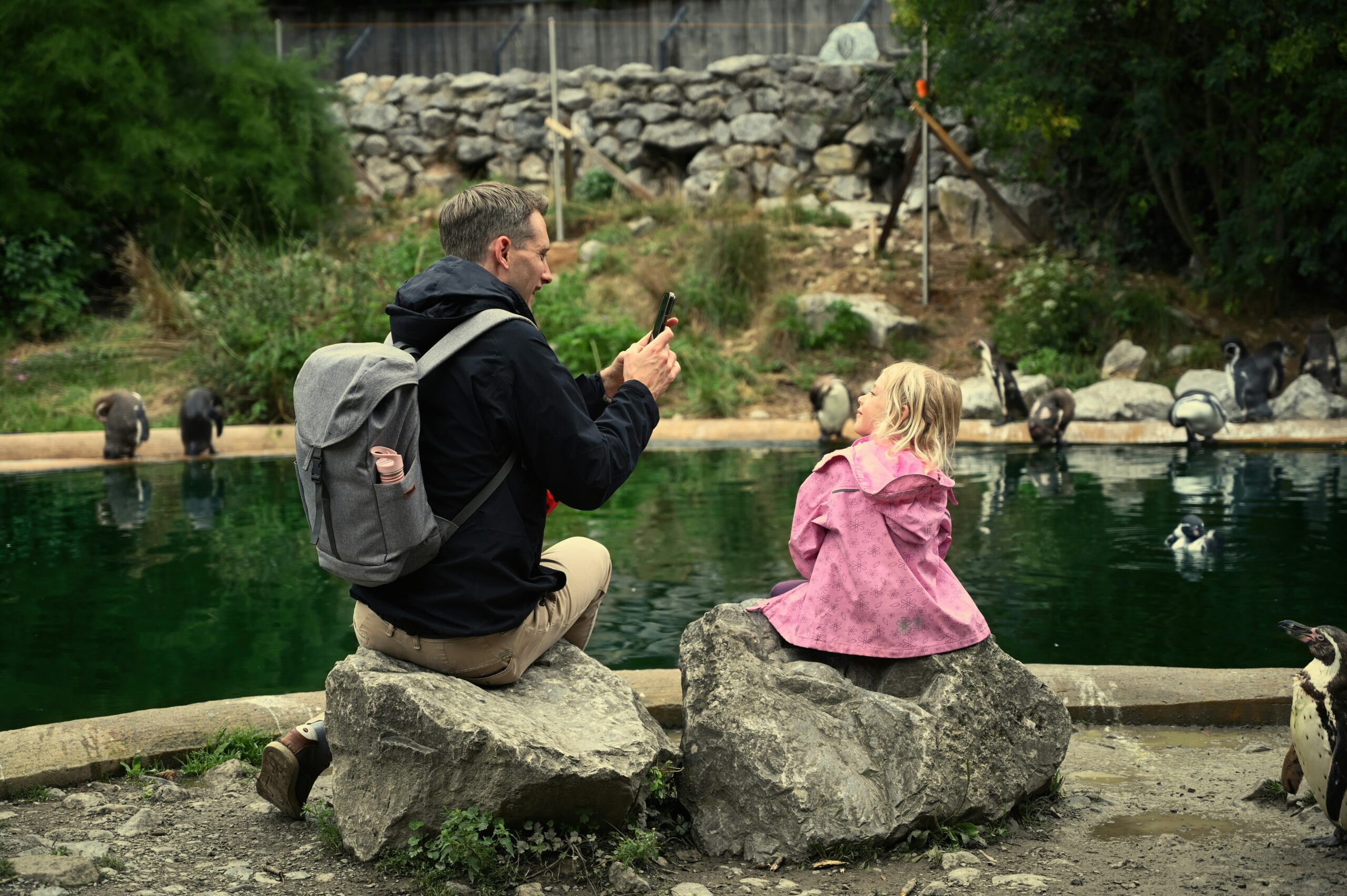
Seeing animals up close can leave a lasting impression on children. Whether it’s watching a giraffe reach for food or seeing penguins swim, these experiences spark imagination and curiosity.
Children begin to think more deeply about the world, often leading to new interests and questions that continue long after the visit.

Making the Most of Your Zoo Visit
To get the most out of your day, it helps to take a relaxed approach. Let children explore at their own pace, take breaks when needed, and focus on enjoying the experience rather than trying to see everything.
Planning ahead, such as checking feeding times or using a zoo map, can also make the day smoother and more enjoyable.
⭐ Final Thoughts
A visit to the zoo offers far more than just entertainment. It combines learning, physical activity, and family time in a way that supports children’s development while creating lasting memories.
For families looking for a meaningful and enjoyable day out, the zoo remains one of the best choices.